
- 作者:邓文马
- 来源:新老娘舅
- 发布时间:2026-08-26
新唐
家电买得起修不起!内行人实话:这7种家电坏了直接换新_我的网站

一 | 很多家庭都有一个误区:家电坏了,第一反应就是找人修,觉得修一修就能省钱继续用。 但真正懂行的维修师傅都知道:现在多数家电,早已不是修修补补的时代,而是“修不如换”。 很多家电看着不贵,一旦过保出故障,上门费、配件费、人工费叠加起来,维修费轻松逼近新机一半价格,甚至比买新机还贵。
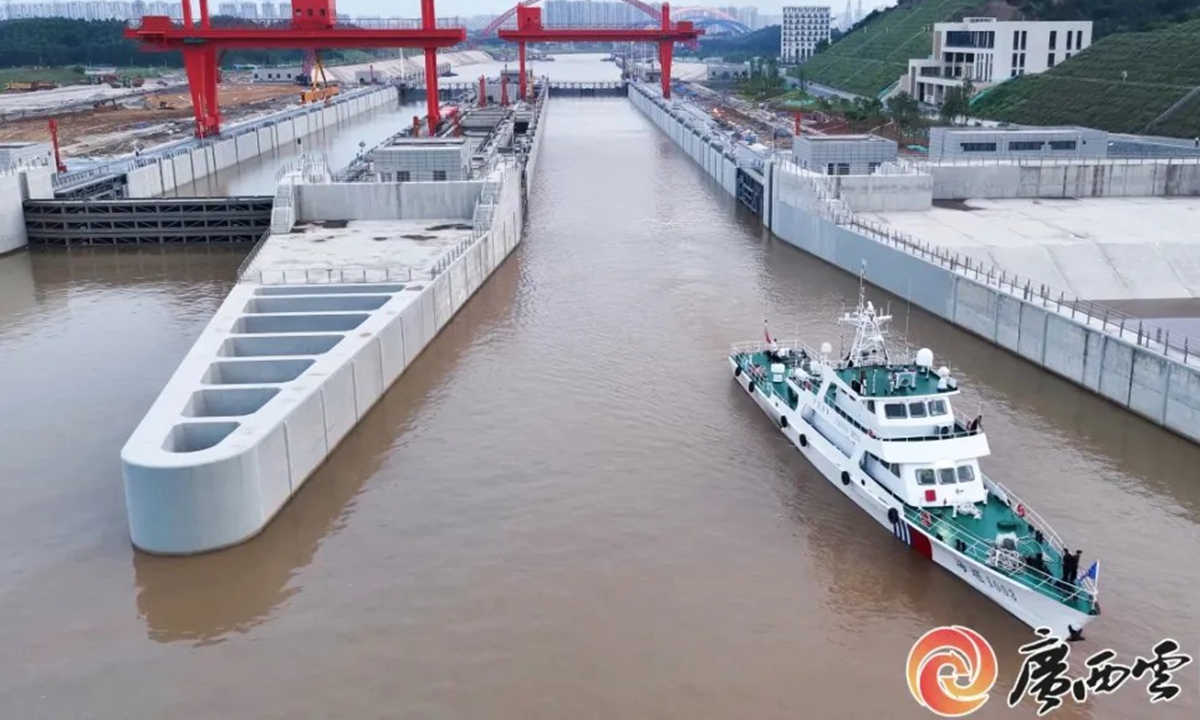
The inspection was carried out from Friday to Saturday by the Guangxi Maritime Safety Administration using the patrol vessel Haixun 1003.
Starting from the canal's seaward entrance, the vessel traveled northward along the entire waterway, passing through the Qingnian, Qishi and Madao ship locks, which remain under construction, while inspecting construction vessels operating along the route. It arrived at the Pingtang River estuary on the afternoon of Saturday.
It was the first time a vessel had completed the entire 134.2-kilometer journey following completion of the canal's main works, representing a breakthrough in full-route navigation tests using an actual vessel, according to Guangxi Daily.
The Haixun 1003 is the first offshore patrol vessel deployed by China's Ministry of Transport at Qinzhou Port. The vessel is 46.1 meters long and 6.8 meters wide, with a maximum speed of 25.3 knots and a cruising range of 500 nautical miles. It can withstand winds of up to Force 9 on the Beaufort scale, roughly 76-87 km/h usually with waves 6-9 meters.
The vessel is also equipped with an advanced marine electro-optical tracking and evidence-collection system capable of operating in color, monochrome, infrared and laser modes under different weather and lighting conditions. The system supports integrated data collection and transmission, Guangxi Daily reported.
During the patrol, maritime authorities conducted on-site inspections of key navigation conditions, including channel dimensions, curved sections of the waterway, navigational clearance beneath bridges, ship-lock approach channels and the mouths of tributaries.
The patrol was also designed to test the practicality of provisions contained in the Regulations on Navigation Safety Management of the Pinglu Canal, which are expected to take effect when the canal opens in September.
The results will provide a basis for refining vessel navigation rules and improving measures intended to safeguard traffic along the canal, according to the report.
Lü Jin, deputy director of the Qinzhou Maritime Safety Administration, said the inspection aims to assess the canal's navigational environment, verify whether navigational aids had been positioned appropriately, identify safety risks along the route and locate waters that could be used during emergencies.
The findings will also support the formulation of on-site supervision plans and help ensure that the canal opens safely and in an orderly manner on schedule, Lü said, according to Guangxi Daily.
The Pinglu Canal is a key project of the New International Land-Sea Trade Corridor. With total investment exceeding 70 billion yuan ($10.37 billion), the canal begins at the Pingtang River estuary in Hengzhou, administered by Nanning, follows the Qinjiang River into the Beibu Gulf, according to Xinhua News Agency.
It is China's first major river-to-sea canal project planned and coordinated at the national level since 1949 and is designed to accommodate vessels of up to 5,000 tons.
Once operational, the canal will give inland regions in Southwest China a more direct river route to the sea. Cargo that previously had to travel eastward through the Guangzhou port will be able to head south directly toward ports in the Beibu Gulf, shortening some inland waterway journeys by about 560 kilometers, according to Xinhua.
The New International Land-Sea Trade Corridor is an international trade and logistics network connecting China's western regions to ASEAN countries and other overseas markets.
It links the Silk Road Economic Belt in the north with the 21st Century Maritime Silk Road in the south while coordinating with the Yangtze River Economic Belt. China's National Development and Reform Commission released an overall plan for the corridor in 2019.
The corridor has continued to record strong trade growth. During the first half of 2026, imports and exports transported through the corridor by its participating regions reached 517.23 billion yuan, up 13 percent year-on-year and setting a new record for the same period, per data released by Chongqing municipal government.
The successful full-route patrol represents a crucial step in maritime authorities' preparations for the opening, providing data from actual vessel operations needed to improve navigation management, emergency planning and safety arrangements ahead of commercial operations, Guangxi Daily reported.
Global Times
。最坑的是,花大价钱修好后,大概率是“带病复活”,用两三个月再次坏掉,反复花钱、无限内耗。 今天就给大家盘点7类典型“买得起、修不起”的家电,全部是行业真话。以后再坏直接换新,别再傻傻给维修行业送冤枉钱。 第一种,液晶电视,屏幕碎、黑屏、花屏直接换新,千万别修。 电视是目前维修性价比最低的大家电,没有之一。很多人电视黑屏、漏液、碎屏、有声无画面,以为只是小问题,殊不知电视最贵的部件就是屏幕,占到整机成本的70%以上。 哪怕是普通65寸家用电视,更换原装屏幕的配件费加人工费,基本要大几百到上千元。而现在新款电视常年降价,同款新机活动价往往比换屏还便宜。 更关键的是,后期更换的屏幕大多不是原厂正品,画质、色域、亮度远不如原装,修好后观感大打折扣,还没有官方质保,随时可能再次损坏。简单说:电视只要屏幕坏了,维修就是纯亏本,直接换新最划算。
第二种,普通家用微波炉,加热故障直接放弃维修。 微波炉结构简单、价格低廉,但核心配件极贵。日常最常见的故障:不加热、加热慢、开机异响,基本都是磁控管、高压变压器损坏。 师傅上门检修,单配件费用就要两百多,再加上门服务费、维修费,总价轻松突破三百。而一台全新的品牌微波炉,日常活动价只要三四百,功能更新、能耗更低、安全性更高。 老旧微波炉本身存在老化漏电风险,维修后安全性大幅下降,使用寿命也所剩无几。不管用了几年,只要出现核心故障,直接换新,完全没必要修。

二 | 第三种,各类百元级小家电,通电故障一律不修。 电热水壶、小型破壁机、加湿器、吸尘器、电饭煲,这类低价小家电,是最容易被大家浪费维修费的品类。 新机本身只要几十、一两百块,一旦电机、加热盘、主板损坏,上门检测费+配件费,往往能达到新机价格的50%—70%。比如百元电水壶,换加热盘加人工费要一百多,比买新的还贵。 而且这类小家电配件通用性差、老化严重,修好这里坏那里,基本没有维修价值。以后遇到这类小家电损坏,不用犹豫,直接换新省时省钱。 第四种,使用5年以上的老旧洗衣机,异响、漏水、主板故障直接换。 洗衣机真正的维修大坑,都出在老机型上。用了五六年的洗衣机,一旦出现主板烧坏、电机故障、内筒漏水、减震报废,维修成本极高。 换主板、换电机、换内筒,随便一项配件加人工,费用就要四五百。

三 | 更麻烦的是,老机器零部件大多停产,很多只能用翻新配件,稳定性极差。 而且超期服役的洗衣机,内部夹层常年积攒污垢、霉菌,即便修好硬件,卫生问题也无法彻底解决。

四 | 加上老旧机型能耗高、洗净比差,对比新款一级能效机型,长期使用电费差价都能回本新机。

五 | 老洗衣机大病不修,是最省钱的选择。
第五种,嵌入式、一体式蒸烤箱,核心故障千万别修。

六 | 很多人以为几千块的高端蒸烤箱,坏了修一修很划算,实则完全相反。嵌入式蒸烤箱属于集成度极高的厨电,电路、温控、腔体高度整合。 一旦出现温控失灵、主板故障、加热管损坏,拆机极其麻烦,人工费远高于普通家电。加上原装配件溢价极高,一次大修动辄上千,性价比极低。 而且嵌入式家电拆装容易磕碰橱柜、破坏封胶,维修后大概率出现密封不严、漏蒸汽、受潮短路等次生问题。使用年限久的机型,直接换新,远比反复维修靠谱。 第六种,储水式电热水器,漏水、内胆腐蚀直接换新。 热水器是关乎居家安全的高危家电,绝对不建议带病维修使用。热水器最核心的故障就是内胆腐蚀、漏水、镁棒耗尽、加热管老化漏电。 一旦内胆生锈漏水,意味着整机防腐结构彻底失效,即便暂时补漏修复,后期依然会持续腐蚀,随时有漏水、漏电、炸胆风险。 更换内胆、全套防腐配件的费用,接近新机一半价格,完全没有意义。而且超期热水器保温效果差、能耗高,安全性无法保障。行业默认规则:热水器使用超6年,出现核心故障,一律直接换新。 第七种,低端扫地机、洗地机,主板、电池报废不修。 现在的清洁小家电,迭代速度极快,价格越来越亲民。

七 | 几百、一千出头的入门款扫地机、洗地机,最容易出现电池衰减、主板故障、导航失灵。

八 | 这类设备的电池、主板是核心成本,单独更换价格极高,加上人工费,维修费往往接近新机价格的七成。更鸡肋的是,老款机型算法落后、清洁能力差、避障迟钝,就算修好,使用体验也远不如新款。 与其花钱修老旧设备,不如直接换新机,不仅续航、性能全面升级,还能享受全新质保,省心又划算。 最后给大家总结一套万能判断公式,以后家电坏了不用纠结。 只要满足任意一条,直接换新,坚决不修:维修费超过新机价格30%、使用年限超5年、核心大件损坏、维修后无质保、老旧机型能耗超标。 家电行业的真相很现实:现在的家电早已走平价量产路线,配件、人工成本却逐年上涨,修家电早已不是省钱,而是持续浪费钱。 懂得及时换新,才是真正的省钱、省心、安全。
Current article:http://i7jh6.chongtunkuaitaogacuiliamanzu.cfd/news/20260826_3776.html
Published on:13:41:05
- 本文标签:
- 窈窕淑女